
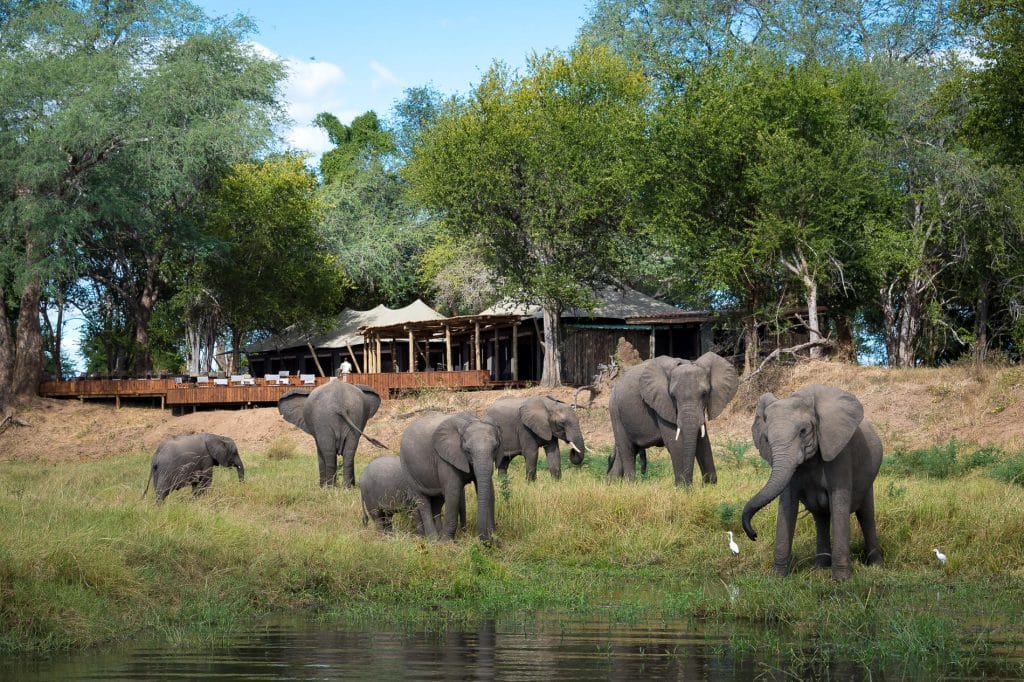
The Okavango Delta is one of Africa’s most extraordinary safari destinations. Unlike traditional river systems, the Okavango is a vast inland delta that floods seasonally, transforming the dry plains of Botswana into a wildlife-rich wetland oasis.
Choosing the best time to visit the Okavango Delta depends on what you want to experience, from classic big game viewing and water-based safaris to birding, photography and quieter travel periods.
Many travellers worry about choosing the wrong month in the Delta. Water levels, wildlife movement, and access vary from year to year, making guidance helpful before committing to specific dates.
Why timing matters in the Okavango Delta
The Okavango Delta is shaped entirely by seasonal floodwaters that arrive from Angola months after the rains have fallen. This unique cycle means that the best safari experiences are closely tied to water levels rather than rainfall alone.
At different times of year, the Delta offers:
Land-based game viewing
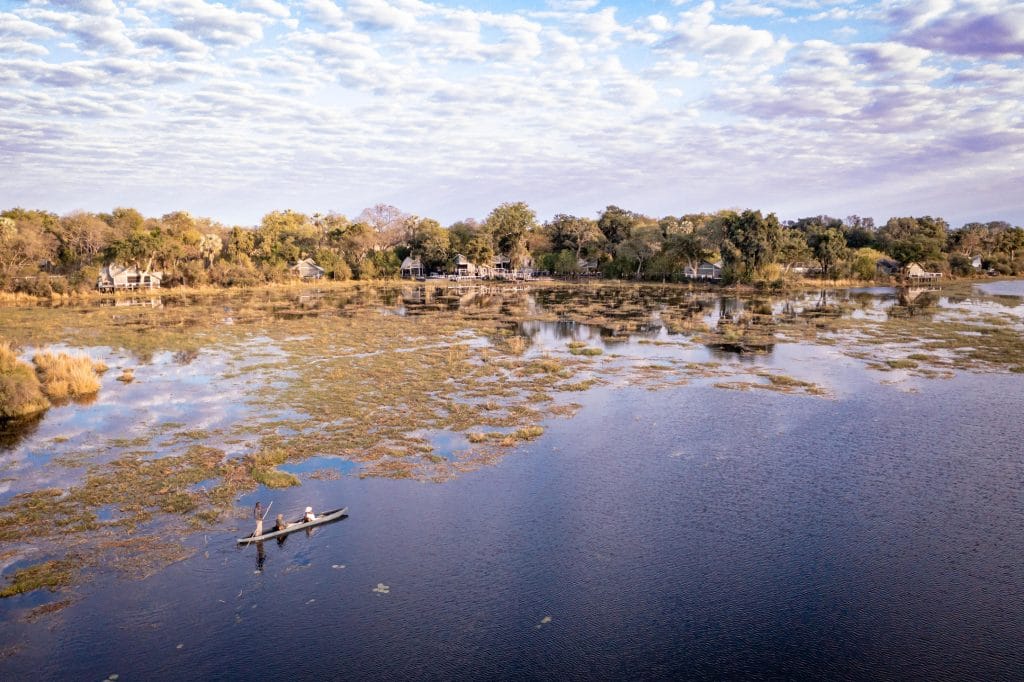
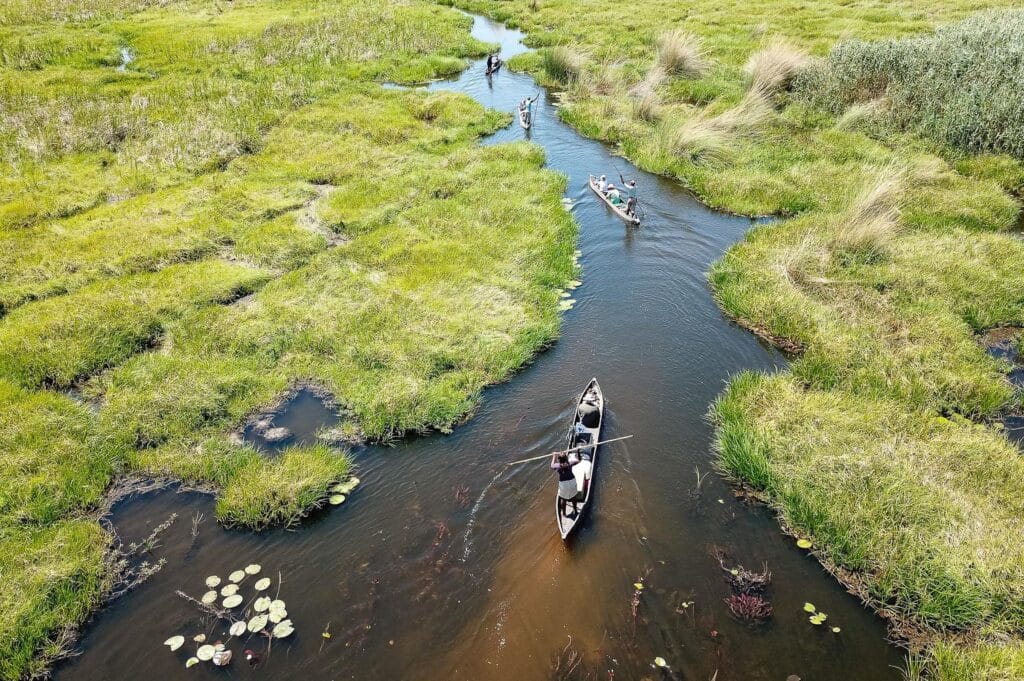
Water safaris by mokoro
Walking safaris
Dramatic changes in landscape and wildlife behaviour
Understanding these seasonal shifts enables you to plan a safari that aligns precisely with your interests. Travellers planning a longer itinerary may also want to consider the best time to visit Botswana as a whole.
Best time to visit the Okavango Delta for wildlife viewing
May to August: peak flood season and classic safari conditions
May to August is widely considered the best time to visit the Okavango Delta for a classic safari experience.
During this period:
Floodwaters spread across the Delta, attracting large concentrations of wildlife
Elephants, buffalo, leopards and lions are frequently seen along permanent channels
Water-based activities such as mokoro excursions are at their best
Daytime temperatures are mild and comfortable
This is the prime season for travellers seeking iconic Okavango landscapes, serene water safaris and excellent overall game viewing.
September to October: intense game viewing and warmer temperatures
As floodwaters begin to recede and temperatures rise, September and October offer some of the most intense wildlife encounters of the year.
Expect:
High predator activity as animals concentrate near remaining water sources
Exceptional sightings of lion, leopard and wild dog
Hotter daytime temperatures, particularly in October
This period is ideal for experienced safari travellers who prioritise wildlife density over cooler conditions.
Exploring Delta seasons
Water levels, wildlife movement, and access change throughout the year in the Delta. Many travellers worry about choosing the wrong month or missing the experience they have imagined.
If you are still exploring how the seasons affect the Delta, we are happy to help you understand the differences before you commit to anything.
Green season in the Okavago Delta
November to March: lush landscapes, birdlife and fewer travellers
The green season transforms the Okavango Delta into a vibrant, flourishing ecosystem.
Key highlights include:
Dramatic skies and lush vegetation, ideal for photography
Peak birding season with migratory species present
Fewer visitors and a more exclusive safari atmosphere
Excellent value compared to peak season
While wildlife is more dispersed during this time, many areas still offer rewarding game viewing, particularly in regions with permanent water.
Best time to visit the Okavango Delta for activities
Mokoro excursions and water-based safaris
Water activities are best from June to September, when flood levels are high enough for safe and scenic mokoro journeys through narrow channels and lagoons.
These excursions offer:
Close encounters with aquatic wildlife
A peaceful, immersive way to explore the Delta
Unique photographic opportunities
Walking safaris and game drives
Walking safaris and traditional game drives are possible year-round, but conditions vary by season.
Dry season: easier tracking and clearer visibility
Green season: softer landscapes and fewer vehicles
We select camps and concessions carefully to ensure the best activities are available during your travel dates.
Weather and temperatures by season
May to August: Cool mornings and evenings, mild daytime temperatures
September to October: Hotter days, minimal rainfall
November to March: Warm to hot with occasional afternoon showers
Temperatures rarely become uncomfortable in the winter months, making this the most popular time for international travellers.
When should you visit the Okavango Delta?
Safaris to the Okavango Delta are typically booked well in advance, particularly for peak season travel. Access is primarily by light aircraft, with camps located in private concessions offering exceptional exclusivity.
We design each itinerary around:
your travel dates
preferred activities
level of luxury
whether you wish to combine the Delta with destinations such as Chobe, Victoria Falls or Namibia
Planning your Okavango Delta safari
The best time to visit the Okavango Delta depends on your priorities:
For classic safaris and water activities: May to August
For intense predator sightings: September to October
For birding and fewer crowds: November to March
Each season offers a distinct and rewarding safari experience.
Frequently asked questions about the Okavango Delta
What makes the Okavango Delta unique compared to other safari destinations?
The Okavango Delta is a vast inland delta where seasonal floodwaters transform dry land into a lush wildlife sanctuary. Unlike river systems that flow into the sea, the Okavango spreads across the Kalahari, creating a constantly changing landscape and exceptional game viewing.
When is the best time to visit the Okavango Delta?
The best time to visit is from May to September during the dry season. This coincides with peak flood levels, excellent wildlife concentration, and cooler temperatures that are ideal for safari activities.
Can you do a water-based safari in the Okavango Delta?
Yes. One of the Delta’s defining experiences is exploring by mokoro, a traditional dug-out canoe. Water-based safaris allow guests to access channels and islands that vehicles cannot reach.
Is the Okavango Delta suitable for first-time safari travellers?
Yes. The Okavango Delta offers exceptional wildlife density, experienced guides, and high-quality lodges, making it an excellent choice for first-time safari guests seeking comfort and rewarding game viewing.
How long should you spend in the Okavango Delta?
A stay of three to five nights is recommended to fully experience the Delta’s diverse habitats, wildlife, and safari activities without feeling rushed.
Is the Okavango Delta malaria-free?
The Okavango Delta is a malaria area, particularly during the warmer months. Travellers should consult a medical professional before travel and follow recommended precautions.
Can the Okavango Delta be combined with other destinations?
Yes. The Delta pairs well with Victoria Falls, Chobe National Park, the Kalahari, or Cape Town, creating a well-balanced Southern African itinerary.

“Every Delta safari requires expert judgement around seasonal routes and wildlife movement. This is where experience matters most.”
Richard White, Founder & CEO