
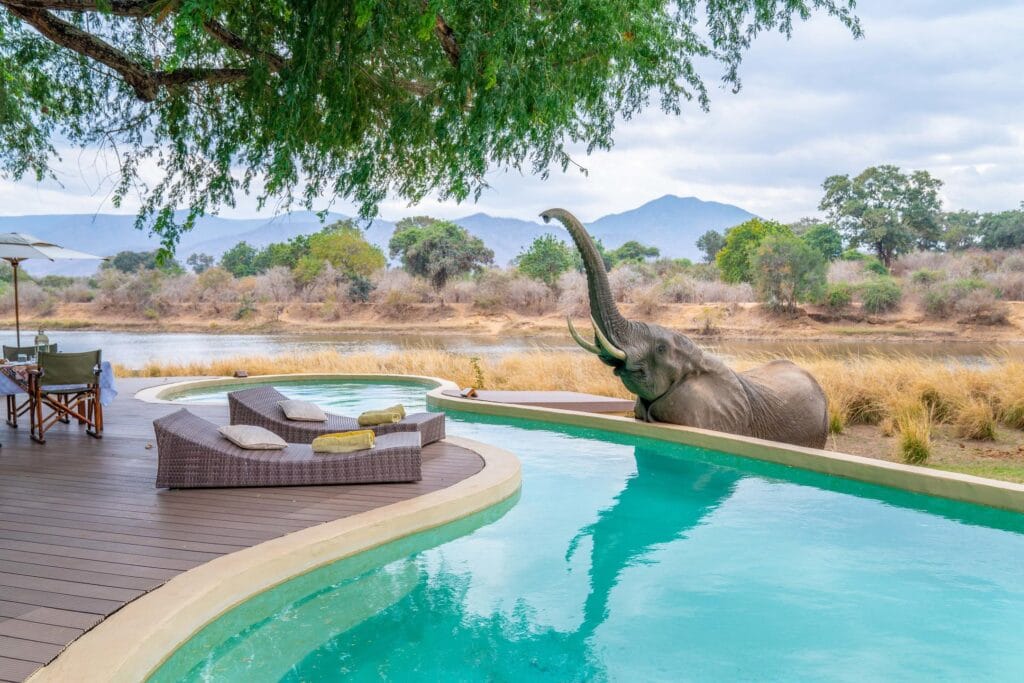
Planning an African safari is not like booking a short holiday. The quality of the experience is shaped long before you arrive. Lodge availability, seasonal wildlife movements and travel logistics all depend on timing. For most travellers, planning early makes a meaningful difference.
How far in advance should you plan an African safari?
For the best experience, most African safaris should be planned nine to twelve months in advance. This is especially important for peak wildlife seasons and well-located lodges.
Travellers planning six months ahead still have good options but flexibility becomes more important. Anything closer than three months often limits choice and increases cost.
Why early planning gives you better lodge availability
The most sought-after safari lodges are small by design. Many have fewer than ten rooms and limit the number of vehicles to protect the wildlife experience.
In regions like the Okavango Delta, lodges often sell out a year ahead for peak months. Planning early secures better locations, guides and room categories rather than leftovers.
Does planning early reduce safari costs?
Early planning does not always mean cheaper but it does mean better value. You gain access to:
Early booking offers
Better flight routing
Fewer last-minute charter costs
Late planning often forces compromises that increase overall spend without improving the experience.
How seasonal wildlife movements affect planning timelines
Wildlife viewing changes throughout the year. Flood levels rainfall and migration patterns all influence where animals gather.
For example peak flood season in the Okavango Delta creates exceptional water-based safari experiences while the dry season in parts of Botswana concentrates wildlife around water sources. Planning early allows itineraries to align with these natural rhythms.
What happens if you plan a safari too late?
Late planning often results in:
Limited lodge choice
Less experienced guides
Inefficient travel routes
Higher internal flight costs
The safari may still be enjoyable but it rarely reflects the best possible version of the journey.
Which African safari destinations require the most advance planning?
Destinations that benefit most from early planning include:
Remote areas of Namibia
Peak season travel to Victoria Falls
Combination safaris across multiple regions
These areas rely on limited infrastructure and careful coordination.
Planning as part of the experience
A well-planned safari feels effortless because the work happens upfront. When timing, routing and lodge selection are aligned, the journey flows naturally and allows travellers to be fully present.
This is where thoughtful safari design makes the difference.